The Problem
List was a high-use surface that had been pushed into KTLO ("Keep the Lights On") mode — meaning no roadmap, no budget, no scheduled work. But the UX hadn't earned that quiet. Users were running into friction patterns that had been flagged informally for months: redundant copy, fragmented deal discovery, and a landing experience that didn't reflect how shoppers actually used their lists. The surface was being maintained, not improved, and the gap was visible to anyone who looked.

Phase 1 — The Unprompted Redesign
I didn't wait for the work to come back on the roadmap. I built out a redesign of the List landing experience on my own time, then walked the engineering team through it directly. The pitch wasn't "let's reopen the project" — it was "here's a concrete set of changes that fix the things we already know are broken, scoped tightly enough to ship inside KTLO constraints."
That framing mattered. Engineering didn't have headcount for a re-platform; they had cycles for targeted fixes. By bringing a finished design rather than a proposal, I shifted the conversation from "should we invest in List again" to "which of these can we ship now." Momentum survived a budget environment that would have killed a normal pitch, and the redesign made it to production.
Phase 2 — Deal Integration
With the foundation in place, the next move was optimization. Deals were living in a separate surface that users had to navigate to, even though every list item was a potential deal candidate. I integrated deals directly into every list — surfacing them at the item level rather than as a parallel experience — and cut the redundant copy that had accumulated around them over multiple iterations.
The strategic call was to stop treating deals as a destination and start treating them as a property of items the user already cared about. Less navigation, less reading, more clipping.

The Outcome
The integrated experience drove a +4% lift in clipped deals — a meaningful gain on a surface that had been written off as maintenance work a few months earlier. Beyond the metric, List was now positioned to receive future investment because it had a track record of returning lift rather than absorbing budget.
What I'd Take From This
KTLO is a budget label, not a UX verdict. The List work showed that the gap between "no roadmap" and "shipped redesign" is sometimes just a designer willing to do the unprompted version and bring engineering a thing they can actually build. The +4% wasn't won by the deal integration alone — it was won by the redesign that made the integration possible. Initiative and optimization are usually framed as different skills; here they were the same project.
More Work

E-Commerce × Systems
Elevating E-Commerce Experience
Multi-day design sprint transforming core retail surfaces into a scalable, premium framework.

Design Systems × AI
Design System Documentation
Using AI to materialize constraint spaces so designers have time for meaningful conversations.

Internal Tool × Albertsons
Image Cropper Tool
AI-powered batch image processor with automated focal point detection.
Marketplace × Local
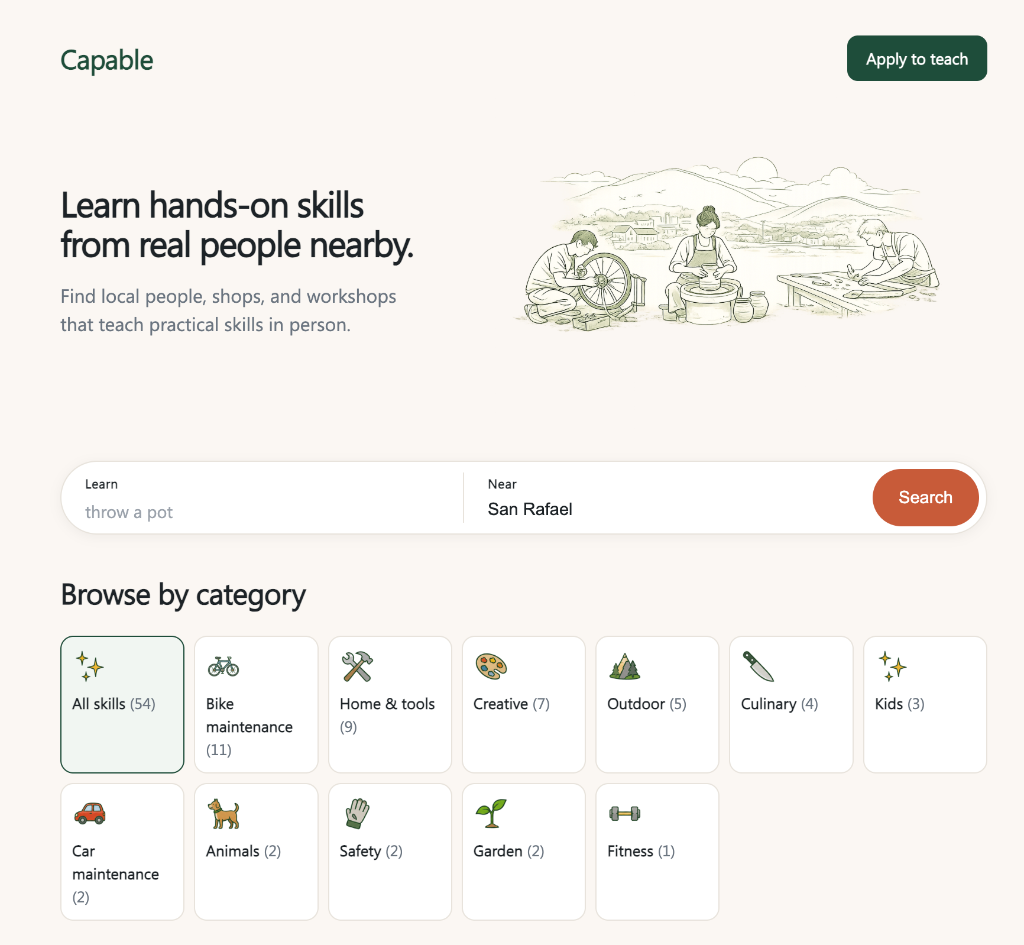
Capable
A free, skill-first directory of local, in-person, hands-on classes — and the early signals that real people want it.

Brand & Web Strategy
JP Events
Microcopy-led redesign for a South Asian wedding planning firm.

Mobile Web
storr
Social commerce platform focused on connecting buyers with people.

E-Commerce
Beauty Box
Subscription box landing page and onboarding for Macy's.

iOS & Android
Mobile Checkout
Scan items and complete purchases directly within Macy's mobile app.